We have compiled a list of manufacturers, distributors, product information, reference prices, and rankings for Non-ferrous metal parts.
ipros is IPROS GMS IPROS One of the largest technical database sites in Japan that collects information on.

Non-ferrous metal parts - List of Manufacturers, Suppliers, Companies and Products

Non-ferrous metal parts Product List

1~7 item / All 7 items

Displayed results

Railway parts related

Manufacturing of copper, brass, aluminum, and stainless steel parts related to railways.

We manufacture various components related to railways by leveraging our core technologies. Our company produces non-ferrous metal parts, particularly copper, brass, aluminum, and stainless steel, and we have business dealings with many companies. We have numerous achievements in residential equipment, power equipment, automotive parts, and railway-related components. We also assist in the production of many established railway parts. From design and prototyping to mass production and assembly, we provide integrated production that meets expectations in terms of cost and quality.

Added to bookmarks

Bookmarks list

Bookmark has been removed

Bookmarks list

You can't add any more bookmarks

By registering as a member, you can increase the number of bookmarks you can save and organize them with labels.

Free membership registration

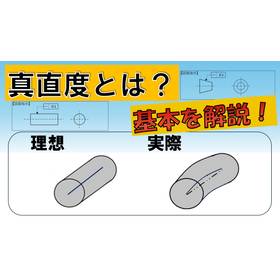
What is straightness for electronic devices? An explanation of the basics!

Helpful for electronic device design! An explanation of the basics of straightness.

In the electronics industry, the precise placement and connection of components significantly affect product performance. If straightness is not properly managed, it can lead to poor contact between components or circuit shorts, potentially compromising product reliability. This video explains the basics of "straightness," a type of geometric tolerance. 【Application Scenarios】 - Understanding straightness in electronic device design - Quality control during component mounting - Considerations when creating drawings 【Benefits of Introduction】 - Improvement in the quality of electronic device design - Enhancement of product reliability - Reduction of design errors

Added to bookmarks

Bookmarks list

Bookmark has been removed

Bookmarks list

You can't add any more bookmarks

By registering as a member, you can increase the number of bookmarks you can save and organize them with labels.

Free membership registration

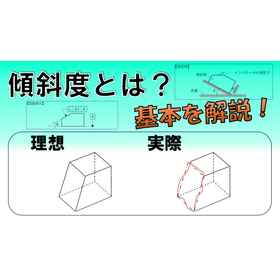
Basic Explanation of Geometric Tolerances for Aerospace: Inclination

Explaining the basics of slope in a video!

In the aerospace industry, lightweight components and high precision are required. Particularly for aircraft fuselage and engine parts, a precise understanding of the slope indicated in design drawings and appropriate instructions are crucial for ensuring the quality and safety of the components. Misinterpretation or incorrect instructions regarding the slope can lead to manufacturing defects or performance degradation. This video explains the basics of "slope," a type of geometric tolerance. 【Application Scenarios】 - Design of aircraft components - Manufacturing of aircraft components - Quality control 【Effects of Introduction】 - Improvement in drawing interpretation skills - Enhancement of component quality - Streamlining of manufacturing processes

Added to bookmarks

Bookmarks list

Bookmark has been removed

Bookmarks list

You can't add any more bookmarks

By registering as a member, you can increase the number of bookmarks you can save and organize them with labels.

Free membership registration

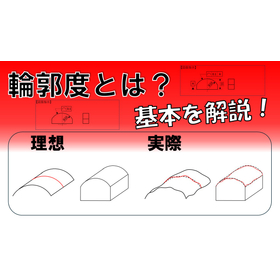
What is contouring for semiconductor manufacturing? An explanation of the basics!

I will answer the question, 'What is contouring?'

In the semiconductor manufacturing industry, there is a constant demand for improving product quality and yield. Particularly, as microfabrication technology advances, the shape accuracy of components becomes a crucial factor that affects product performance. A lack of understanding of contour accuracy can lead to errors during the design and manufacturing stages, potentially resulting in decreased yield. This video aims to contribute to quality management and yield improvement in semiconductor manufacturing by explaining the basics of "contour accuracy," a type of geometric tolerance. 【Usage Scenarios】 - Design and manufacturing of components in semiconductor manufacturing - Reading drawings in quality control departments - Problem-solving related to shape accuracy on the manufacturing floor 【Benefits of Implementation】 - Deepening understanding of contour accuracy to reduce mistakes during the design and manufacturing stages - Early detection of issues related to shape accuracy to improve yield - Enhancing product quality and increasing customer satisfaction

Added to bookmarks

Bookmarks list

Bookmark has been removed

Bookmarks list

You can't add any more bookmarks

By registering as a member, you can increase the number of bookmarks you can save and organize them with labels.

Free membership registration

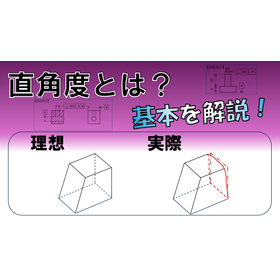
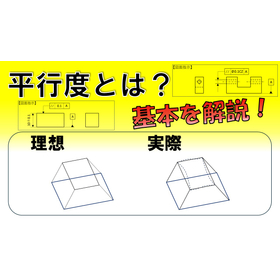
Explaining the basics of parallelism for electronic devices!

I will answer the question, 'What is parallelism?'

In the electronics industry, as products become smaller, the precision of components becomes increasingly important. Parallelism is essential for the accurate placement and assembly of parts, influencing the performance and reliability of the product. A lack of understanding of parallelism can lead to assembly defects and product malfunctions. This video explains the basics of parallelism and discusses its application in drawings and points to be aware of. 【Usage Scenarios】 - Design of electronic devices - Manufacturing of components - Quality control 【Benefits of Introduction】 - Deepen understanding of parallelism - Accurate interpretation of drawings - Improvement of product quality

Added to bookmarks

Bookmarks list

Bookmark has been removed

Bookmarks list

You can't add any more bookmarks

By registering as a member, you can increase the number of bookmarks you can save and organize them with labels.

Free membership registration

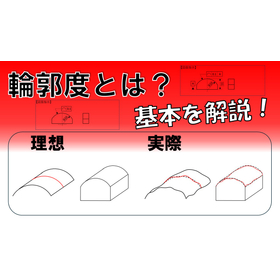
What is contour accuracy for electronic devices? An explanation of the basics!

A must-see for electronic device designers! An explanation of the basics of contouring.

In the electronics industry, there is a demand for miniaturization and high precision of products. Since the dimensional accuracy of components affects the performance of the products, understanding geometric tolerances is essential. In particular, understanding contour tolerance is important for ensuring the shape accuracy of components and enhancing the reliability of products. This video will explain the definition of contour tolerance, examples of its use, how it is represented in drawings, and points to consider when using it. By deepening the understanding of contour tolerance, we contribute to improving design quality. 【Application Scenarios】 - Design of electronic devices - Creation of component drawings - Quality control 【Effects of Introduction】 - Deepen understanding of contour tolerance and improve design quality - Enhance drawing interpretation skills - Ensure shape accuracy of components and improve product reliability

Added to bookmarks

Bookmarks list

Bookmark has been removed

Bookmarks list

You can't add any more bookmarks

By registering as a member, you can increase the number of bookmarks you can save and organize them with labels.

Free membership registration

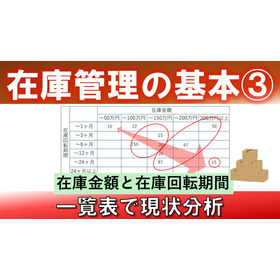
List of Inventory Amounts and Inventory Turnover Periods for Electronic Devices

Video materials useful for analyzing the current state of inventory management.

In the electronics industry, proper inventory management is essential for cost reduction and an efficient production system. Challenges such as inventory amounts not decreasing while necessary products are in short supply can lead to missed opportunities. This video explains how to analyze the current situation using inventory amounts and inventory turnover periods as the basics of inventory management. This video material will be helpful for improving inventory management. 【Usage Scenarios】 * Inventory management departments of electronics manufacturers * Procurement personnel for components * Production management departments 【Effects of Implementation】 * It becomes easier to understand the current state of inventory. * You can identify issues in inventory management. * You can improve inventory turnover rates.

Added to bookmarks

Bookmarks list

Bookmark has been removed

Bookmarks list

You can't add any more bookmarks

By registering as a member, you can increase the number of bookmarks you can save and organize them with labels.

Free membership registration